Thank you to Christian Doninelli of Unifr for this lovely video about what we do.
…to collaborate with Bas Teusink of VU Amsterdam and Brian L. Fisher of the California Academy of Sciences on a project doing multi-omic metabolic modeling of ant colonies!
We are so thrilled, honored, excited that this is going to become reality. It started as a weird dreamy idea that expanded, became collaborative, became more interdisciplinary, and has now actually become doable with a grant of ~$1.2 million.
Wow! Overwhelmed with the wonderful response.
eLife / The Naked Scientist podcast: https://elifesciences.org/podcast/episode78#1378
CBC’s Quirks and Quarks: https://www.cbc.ca/listen/live-radio/1-51/clip/15883779
RTS’s CQFD (en francais): https://pages.rts.ch/la-1ere/programmes/cqfd/18-11-2021#12616330
Dutch news radio: https://www.bnr.nl/podcast/wetenschap-vandaag/10459485/in-elkaars-mond-spugen-is-voor-mieren-van-levensbelang
Print/web pieces:
Natural History Museum (UK): https://www.nhm.ac.uk/discover/news/2021/november/ants-swap-spit-to-help-them-live-for-longer.html
LiveScience: https://www.livescience.com/ants-vomit-to-form-social-bonds
The Swaddle: https://theswaddle.com/ants-kiss-for-the-benefit-of-their-communities-finds-study/
The Daily Mail: https://www.dailymail.co.uk/sciencetech/article-10229651/Carpenter-ants-slobbery-KISSES-exchange-food-important-proteins-spit.html
and many more.
In praise of breadth
The work we do is multidisciplinary. It is necessary but also makes things hard. This summer/fall with Robbie I’Anson Price we made this awesome film about the importance of supporting interdisciplinary research. It’s also an excellent intro into what we do.
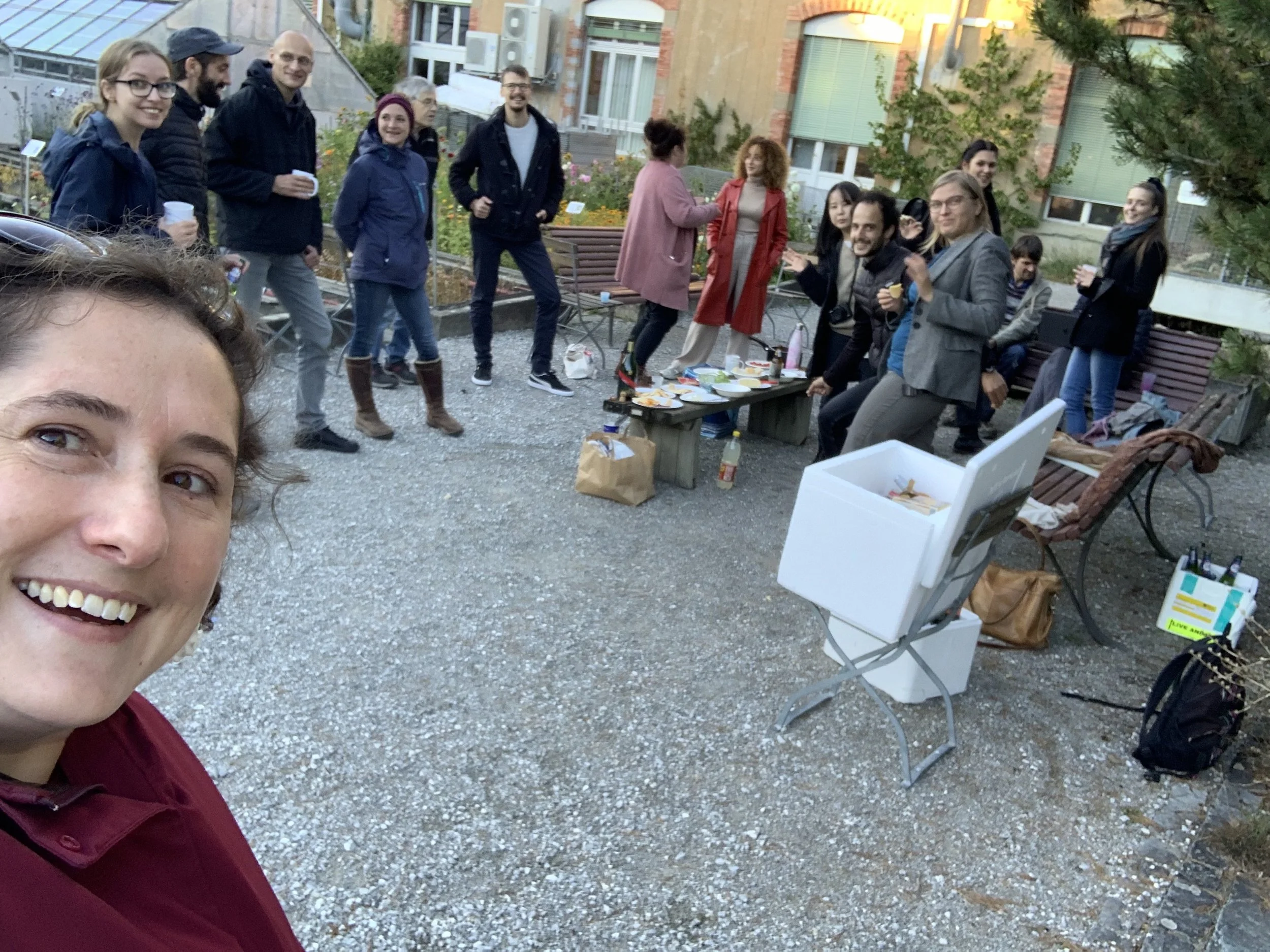
The first research paper of the lab is out in eLife! The official press release will come in mid November. We are thrilled! We had a lovely apero as the fall descended, celebrating the paper, the graduation of our two wonderful Master Students, Kader Varli and Nicole Andreoli, and the handing over of the machinery of the tracking system (thanks Emmanuel Gendre!)
This spring we had three super Bachelor students join the Social fluids Lab for their Bachelor’s theses, Romy Leemann, Laurence Affolter and Bruno Mondragon.
It was great having them join us for a few months, each with cool projects!


Adria happened upon an exceptionally large myrmicine down by the Sarine and a team from the SFL went in to investigate further. Result? Manica rubida!


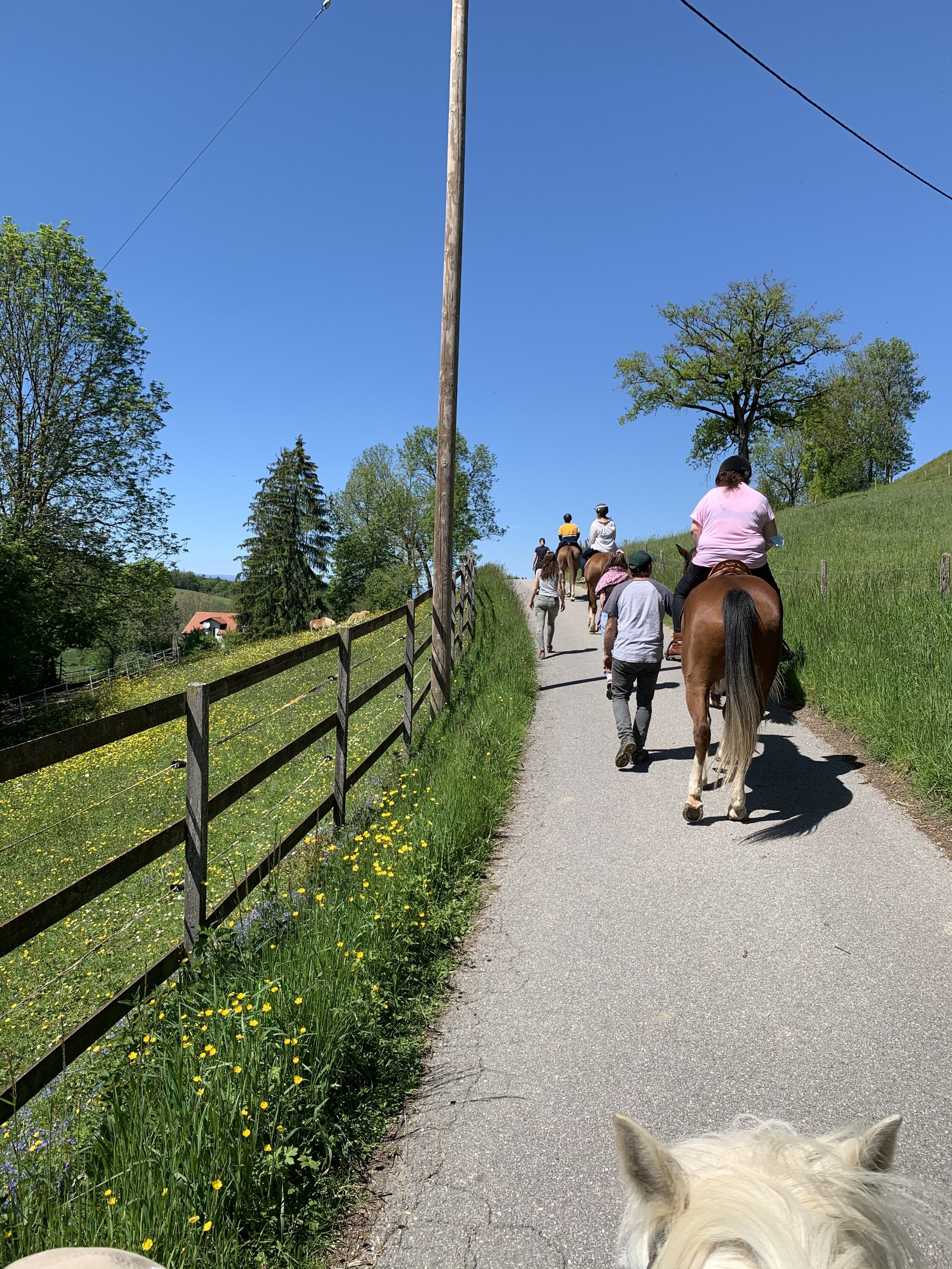


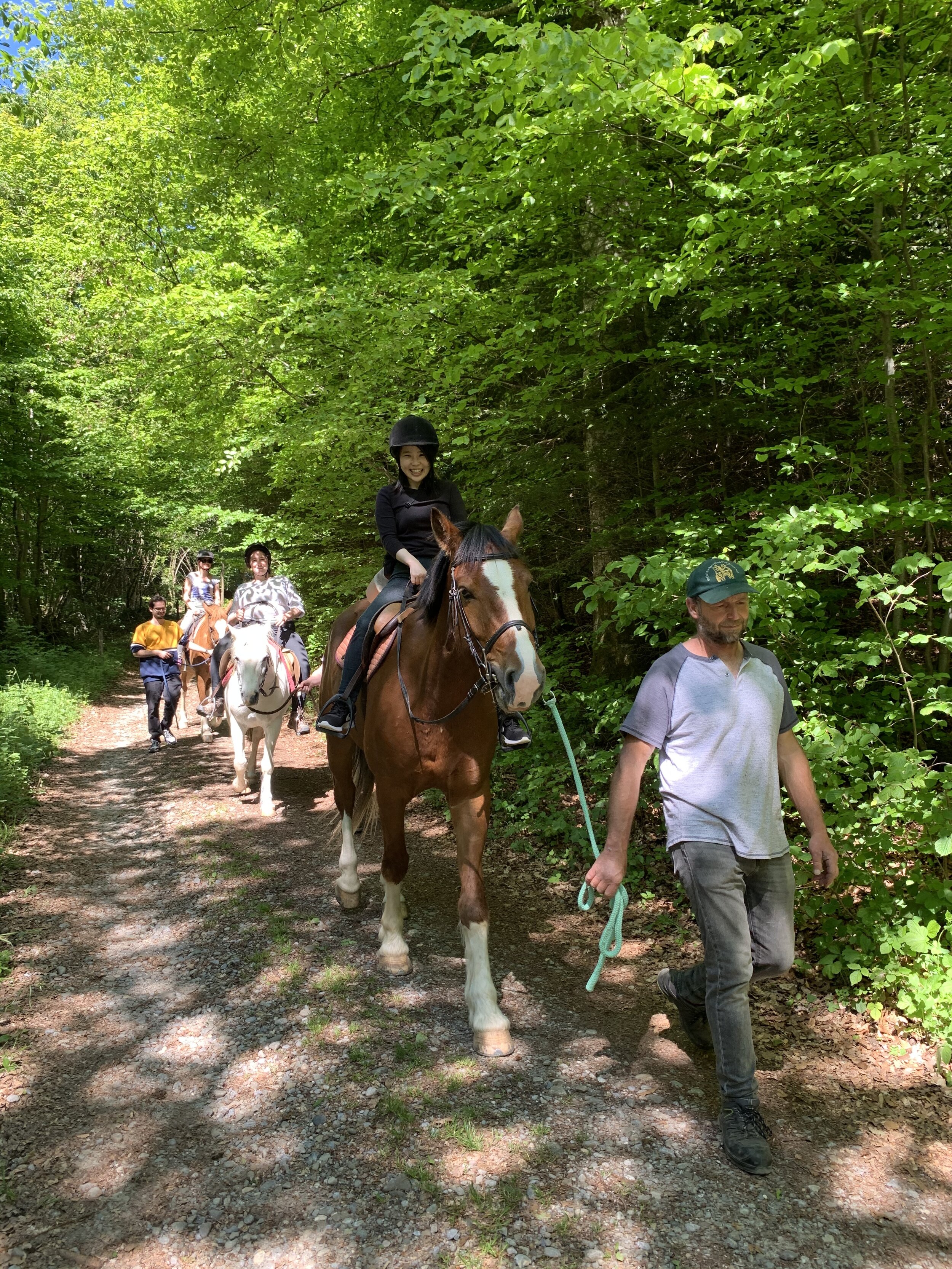

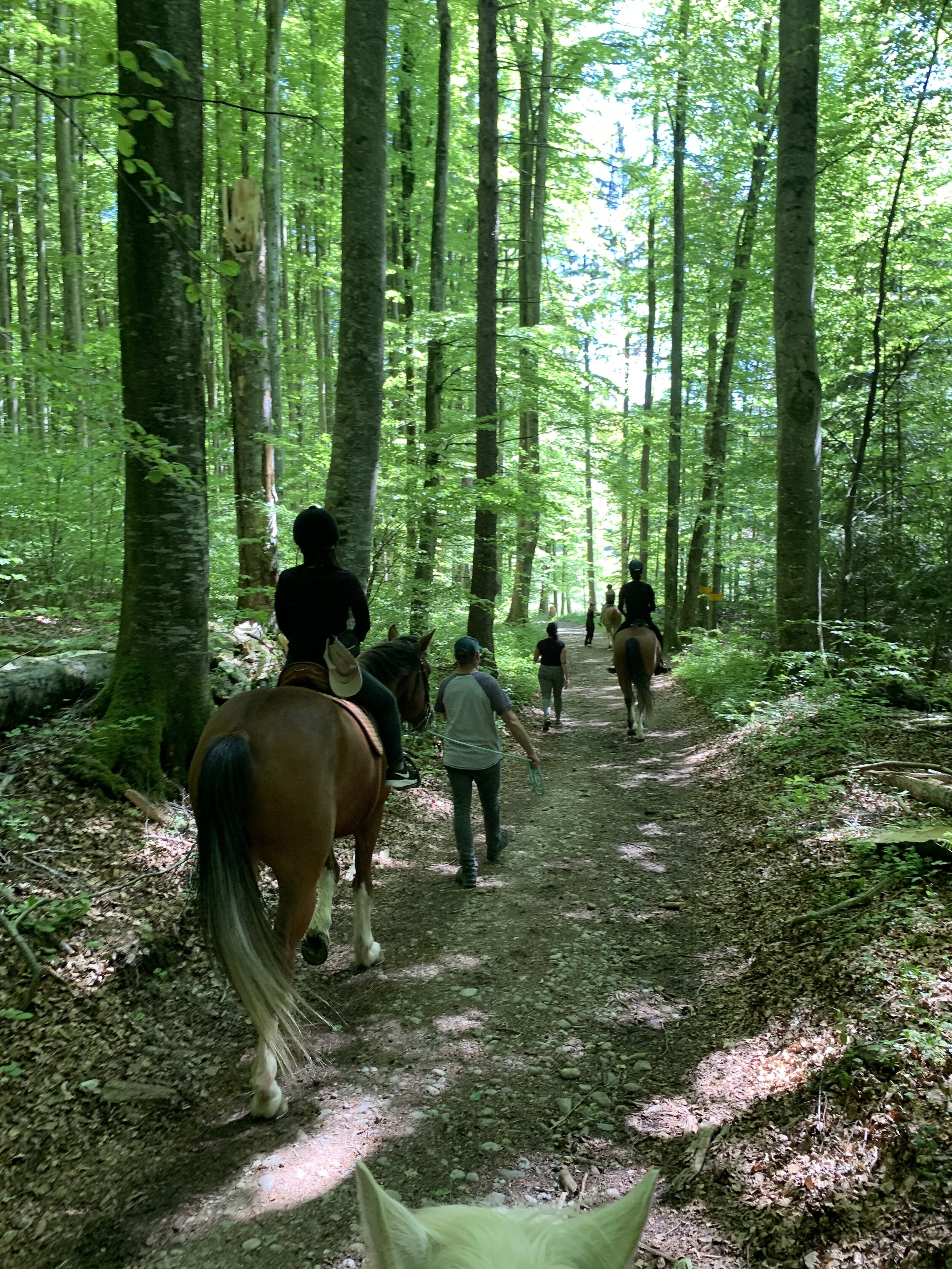
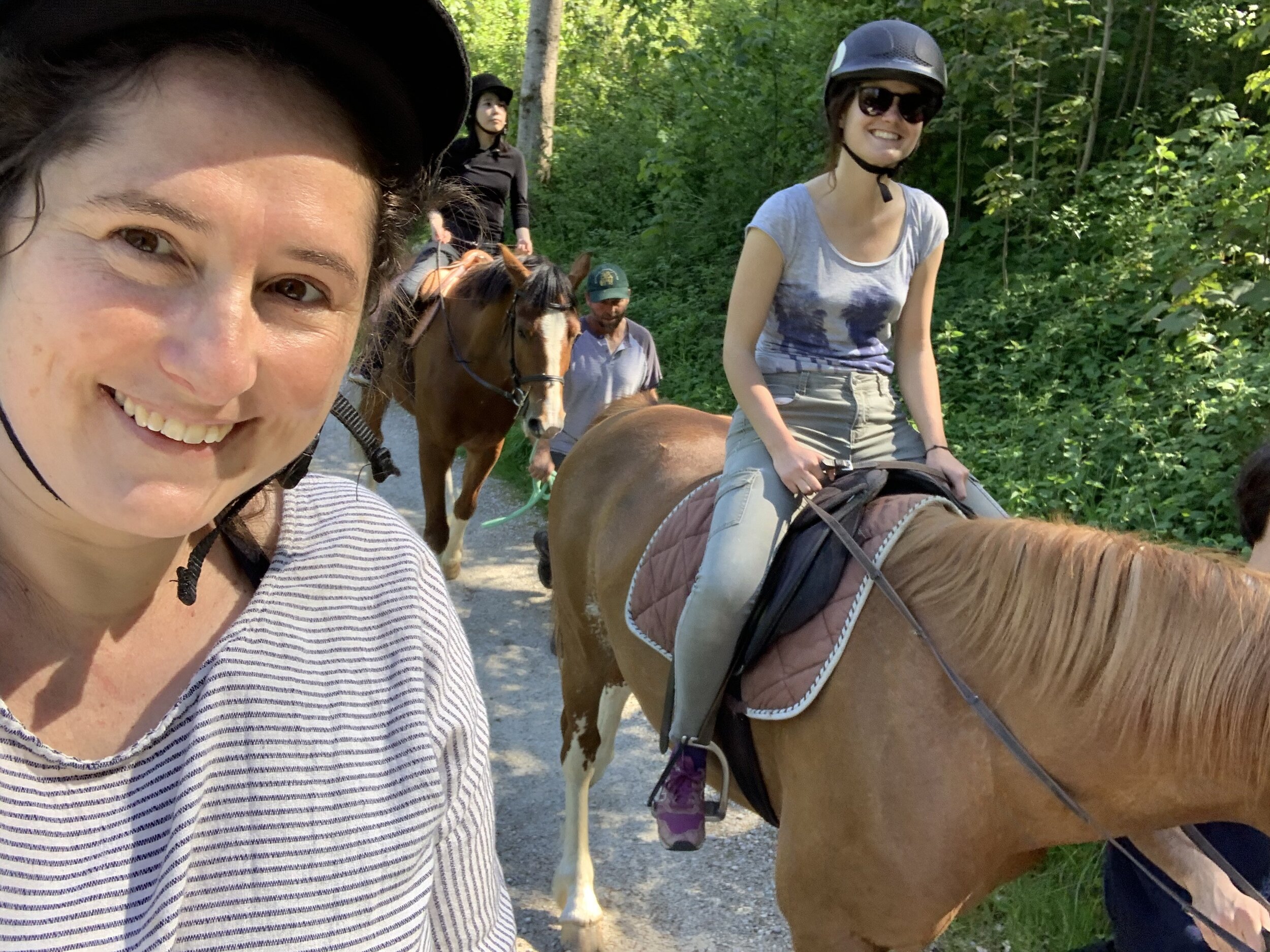
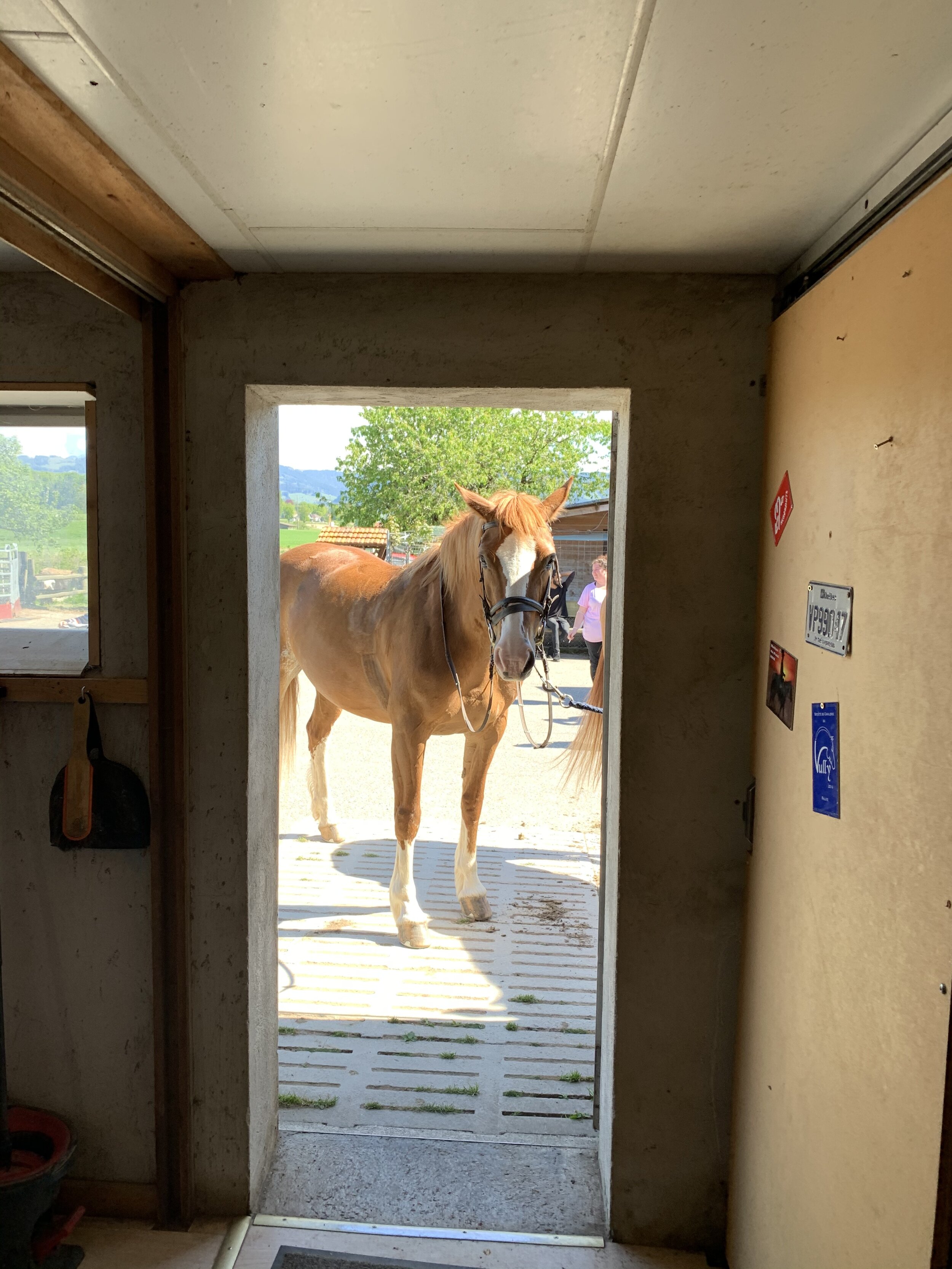
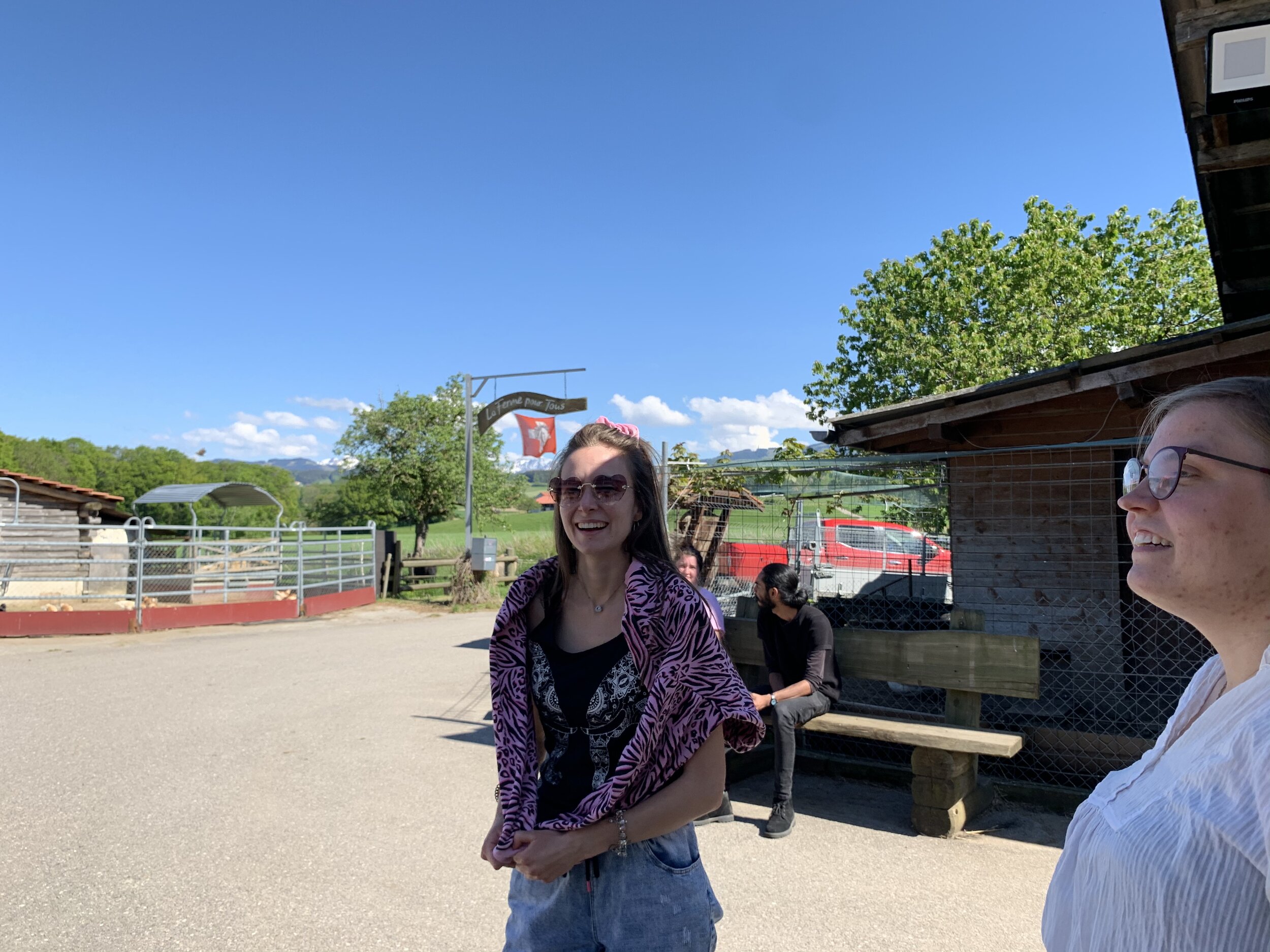
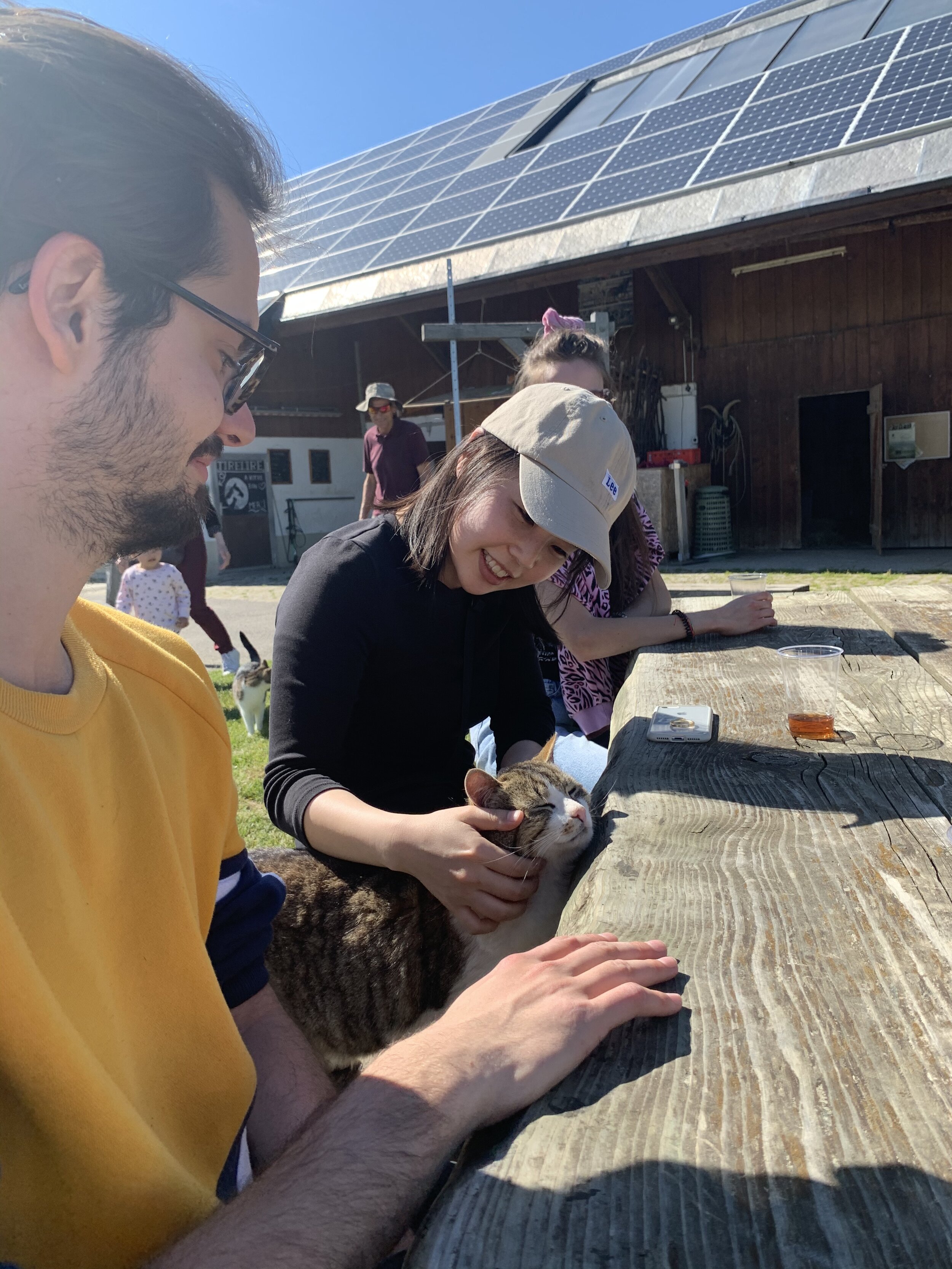
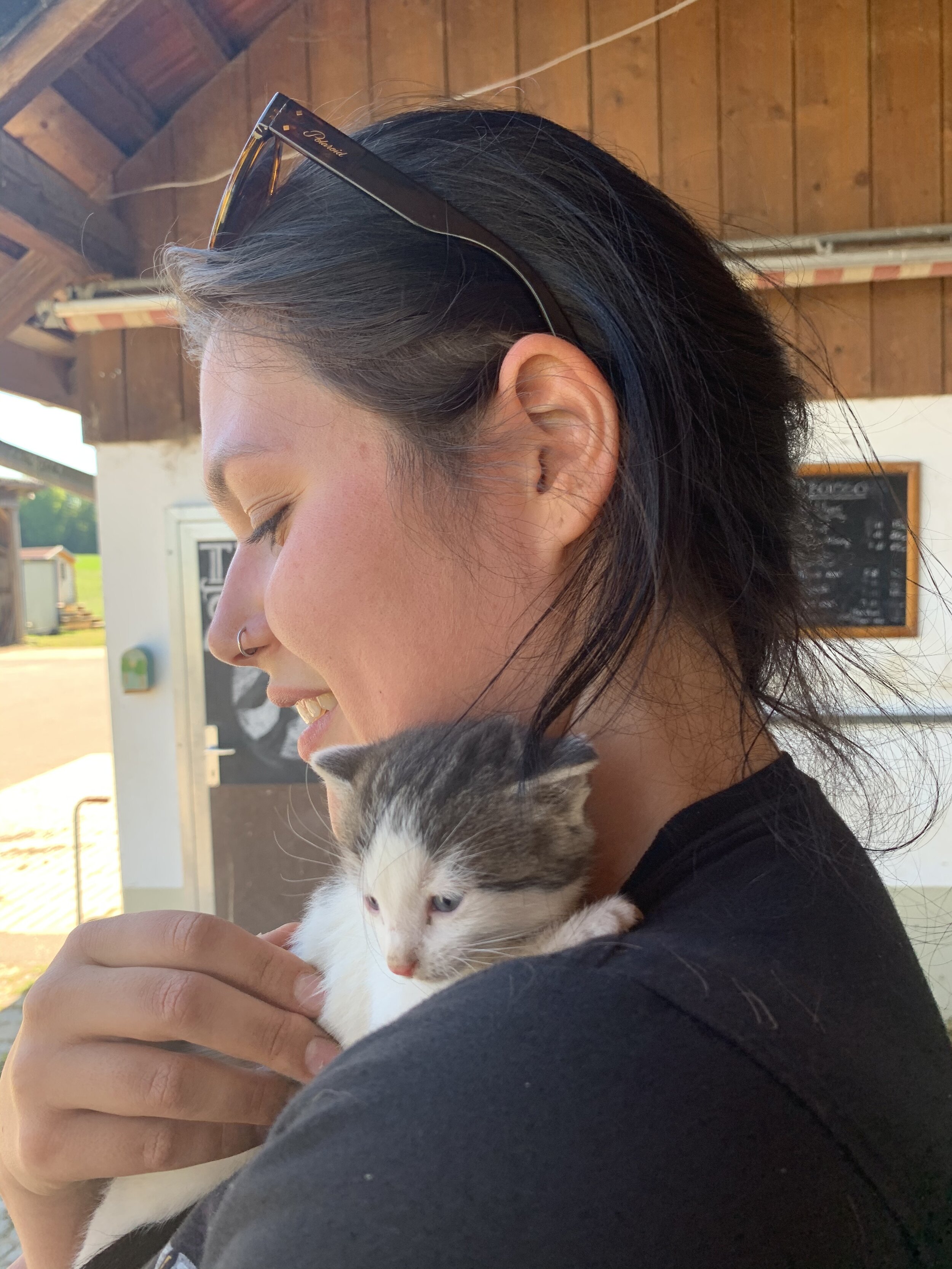

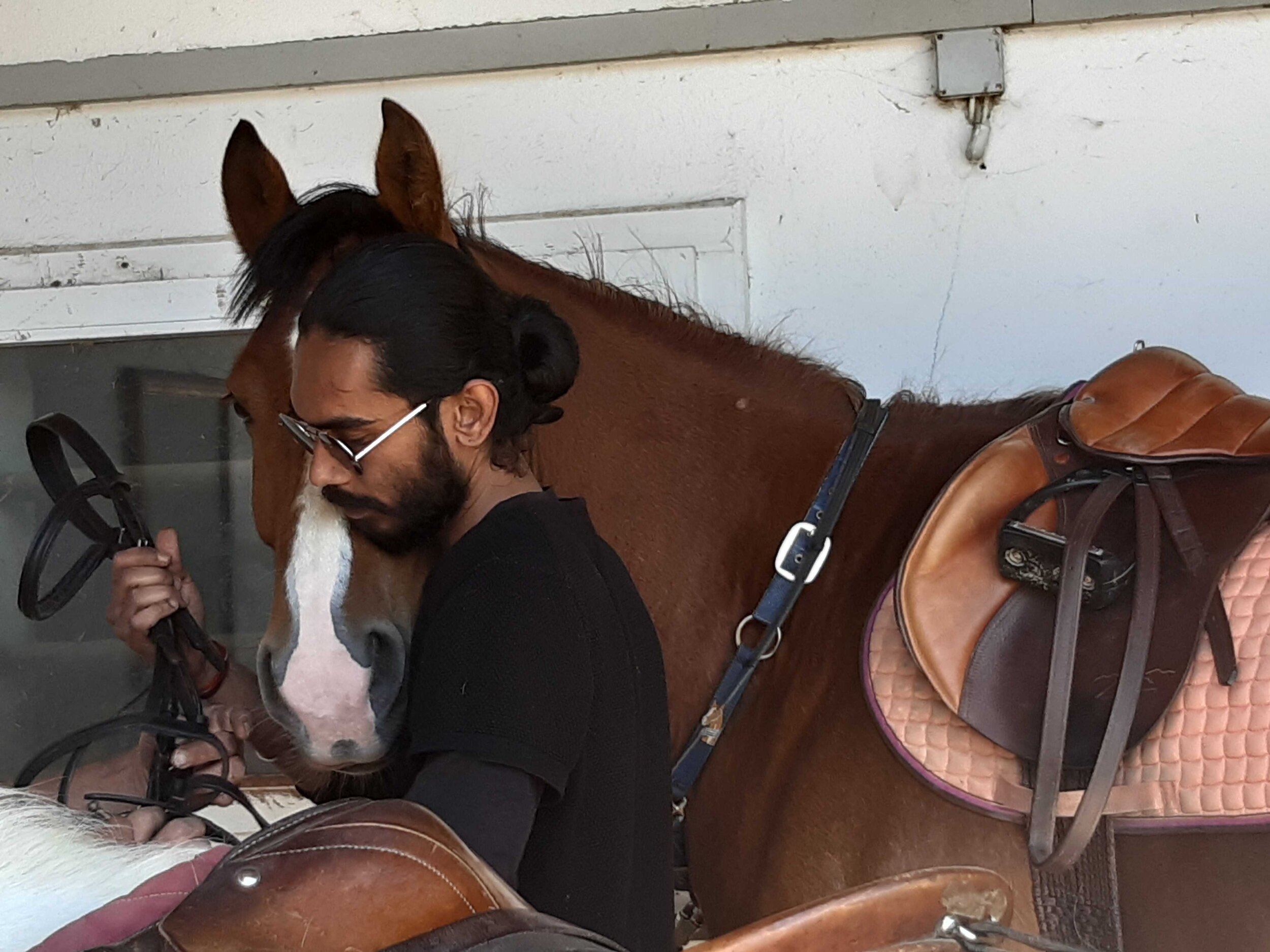

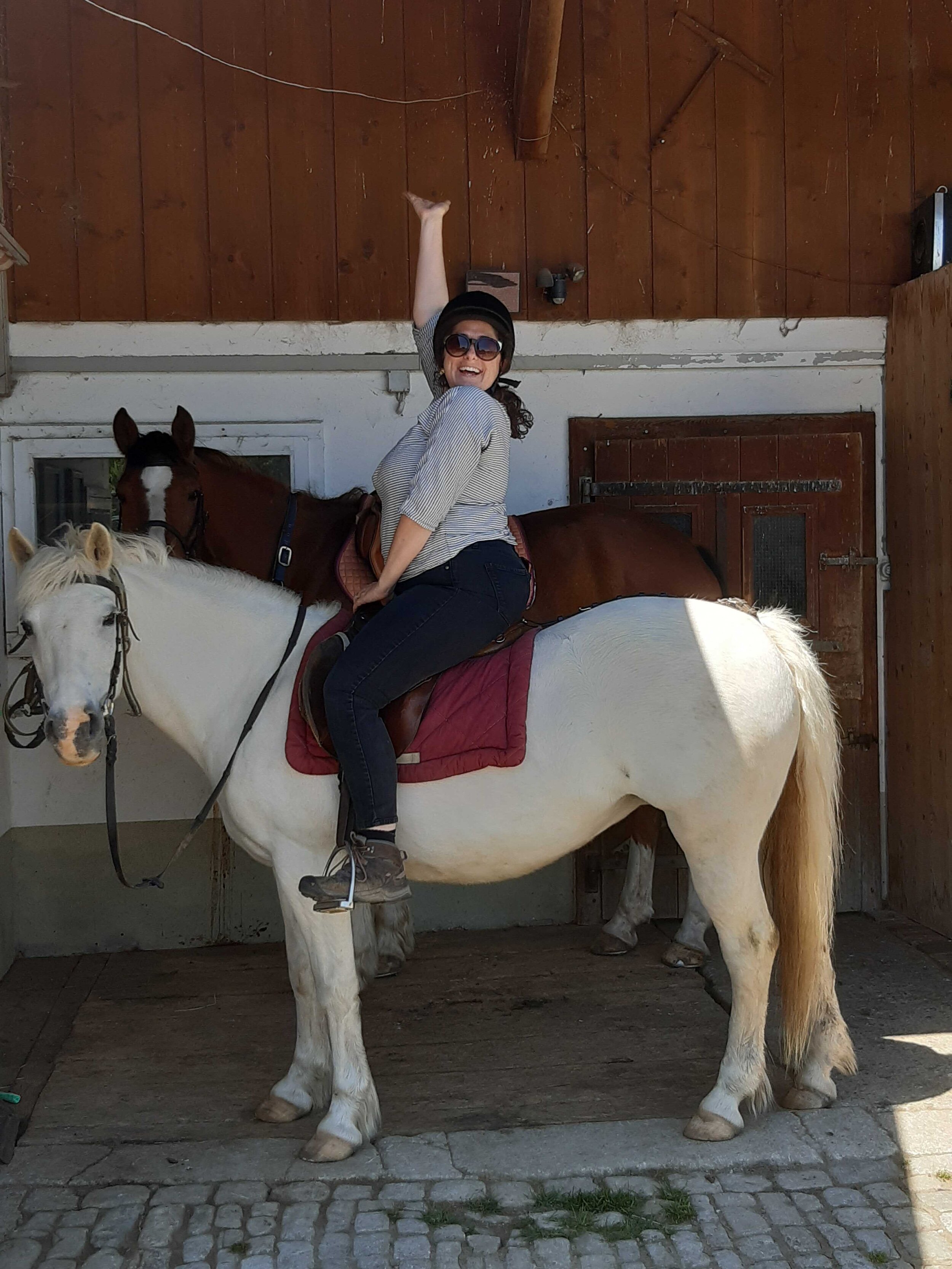

Huge thanks to Romy for organizing this super fun outing!
In May we had the pleasure of welcoming not one, but two awesome postdocs, Haruna Fujioka from Japan and Matteo Negroni from France. Haruna came to us with a Japan Society for the Promotion of Science postdoctoral fellowship and she’s researching the evolution of trophallaxis along with eusociality. Matteo is working on unraveling distributed metabolism in ant colonies.


A preprint for the first research paper of the lab is now on bioRxiv and we are very excited about it.
Dynamic Variation in a Socially Exchanged Fluid Indicates a Role in the Regulation of Ant Colony Development and Maturation
SM Hakala, M-P Meurville, M Stumpe, AC LeBoeuf
https://doi.org/10.1101/2021.01.28.428590
Here’s a twitter thread on the story.
New preprint! In ant colonies, proteins circulated in the mouth-to-mouth food transfer network of #trophallaxis differentiate between colony life stages and castes @SanjaHakala @Marie_Meurville M Stumpe @adriaexists #socialfluids #ants #behavior #evolution
Young and mature colonies pass around different proteins: Proteins involved in direct carbohydrate processing are central for rapid growth in young colonies. Mature colonies circulate nutrient storage proteins needed to produce specialized workers and sexuals #castedetermination
Excitingly, anti-aging proteins (like superoxide dismutase) are circulated across colonies. If the colony distributes the costs of aging to the whole network, it would explain how ant queens escape the fecundity-longevity trade-off (!) #lifespan #lifehistory
Different ‘tissues’ have different molecular tasks: nurses have more signatures of extracellular vesicles and anti-aging proteins. Many of these socially-transmitted proteins could function as hormones that act over the superorganism to control its life cycle! #socialphysiology
We’re excited to discuss these topics further, and get feedback on the preprint, either here or at #cshlinsect virtual conference at the end of March, where @adriaexists will present the results!
Marie-Pierre and Adria wrote this giant review about trophallaxis, in what contexts it occurs, who does it and the big ‘why,’ why did it evolve. Please enjoy it, complete with the lovely figures (thanks Emile)!
There’s a lovely blog post interview with Marie-Pierre about the paper that Myrmecological News did.
Along with the paper we also put out a database that we’ll update about which species do and don’t engage in trophallaxis. Please write to us if you have any species to contribute!

We had a visit from Dumas Galvez from University of Panama and Smithsonian Tropical Research Institute and he spoke to us about his work on scorpions (!). Then for lab meeting, we were joined by Haruna Fujioka! Haruna will join us for a few years as a visiting postdoctoral researcher starting in April and we are really looking forward to her arrival.

A little gathering out in the botanical garden to celebrate submitting the first paper of the lab and three birthdays (Kader, Nicole and our neighbor PI Daniele Silvestro). The paper is Marie-Pierre’s grand review of trophallaxis. For such a critical behavior for social insects, and ants in particular, how has no one done a thorough review of our knowledge to date?? Well done MP!

Sanja joined the lab at the beginning of September. For next three years she will inspect the control of development and maturation of the sexual castes in ant colonies. She hopes to do tons of field work, learn bioinformatics and tell all about it to both the general public and the scientific community. She also comes to us on the wings of not one but two competitive postdoctoral fellowships! What a wizard.


Adria was already stateside when the Coronavirus-induced cancellations began. The American Physical Society meeting was cancelled <48 hours before the conference was meant to start. Luckily the organizers of the Physics of Social Behavior Focus Session, Orit Peleg of CU Boulder and Greg Stephens of OIST & VU Amsterdam), were quick to adapt and got the session to happen online swiftly.
You can find the entire session and all of the excellent speakers here. Adria was meant to close the session with her invited talk, so you find her talk at the end.

Adria was also meant to speak at ISOT (International Symposium for Olfaction and Taste) in Portland in June. That conference has also moved online and will be postponed til August 3-7!

Adria was a panelist at the Swiss Academies’ Science at Noon event on women, science and the future of work. This particular Science at Noon was meant to take place in connection with international women’s day in March, but then, #Covid struck.
The event got postponed and was held online. You can find a nice summary/interview here.
Marie-Pierre and Adria had a great trip visiting the ants in the wild just before Covid struck.
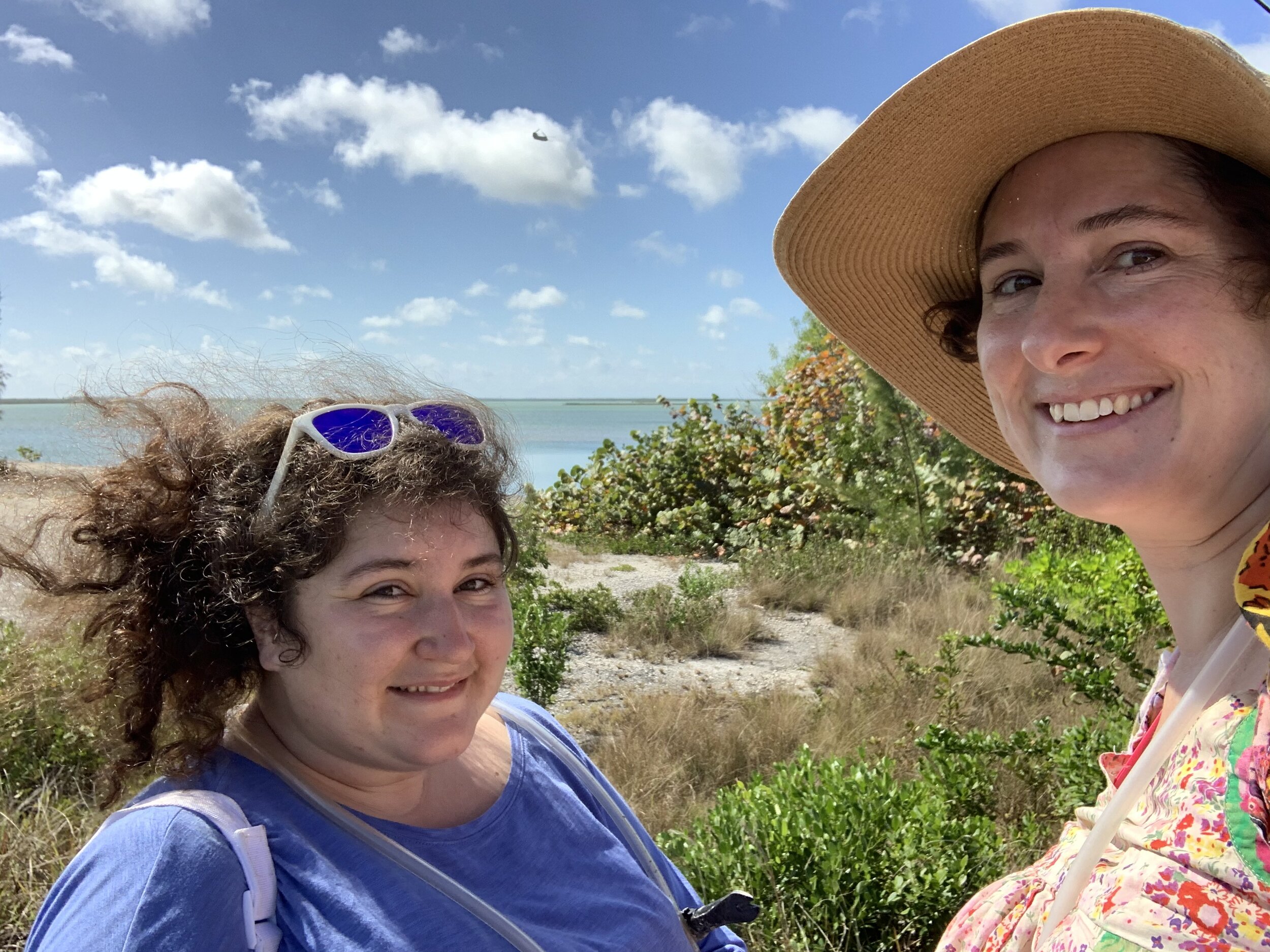
In spite of Covid, Adria spoke at the virtual American Physical Society March Meeting on March 2, 2020. The nice thing about the meeting going virtual is that you can watch it here:
The American Physical Society meeting was cancelled due to COVID19 and consequently the meeting went online. Here is Adria LeBoeuf of University of Fribourg ...
Join us for the International Day of Women in Science! I’ll be speaking about ants and social fluids at ONO in Bern (Kramgasse 6).

Check out Adria’s fun new blog post for Myrmecology News’ Blog.
